Health and Safety Policy for Gardeners in Bulls Cross
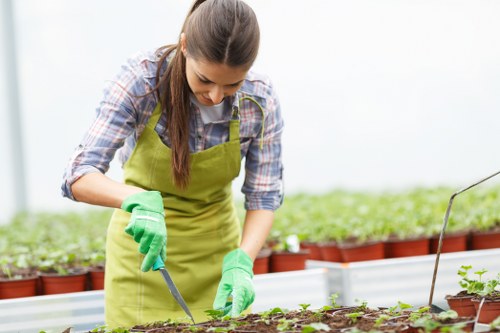 Our health and safety policy for gardeners Bulls Cross is built to support safe, organised, and responsible outdoor work. Every task, from routine maintenance to more physically demanding garden work, should be carried out with care, good planning, and awareness of possible risks. This policy sets out the standards expected from all staff and anyone working on gardening projects, with a focus on protecting people, property, and the environment.
The work of a garden maintenance team often involves manual handling, power tools, moving machinery, uneven ground, weather changes, and contact with plants or materials that may cause injury. A clear safety approach helps reduce accidents and encourages consistent working habits. It also supports a professional service by ensuring that all jobs are completed with the right precautions in place.
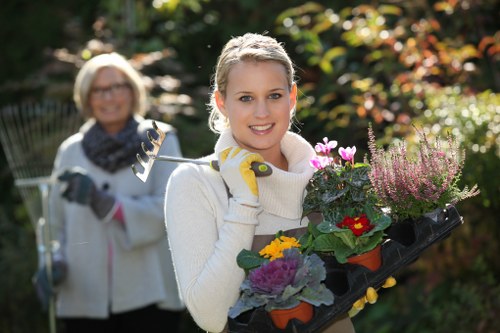 Gardeners should begin each assignment by assessing the site, identifying hazards, and deciding what controls are needed before work starts. This applies to private gardens, shared spaces, landscaped grounds, and any outdoor area where access, layout, or terrain may create risk. A gardening health and safety approach is not only about avoiding harm; it is also about maintaining efficiency and making sure that every worker understands their responsibilities.
All staff must wear suitable personal protective equipment where required. This may include gloves, sturdy footwear, eye protection, hearing protection, high-visibility clothing, and weather-appropriate items. The correct equipment depends on the activity being undertaken, but the principle remains the same: protect the body from avoidable injury. A safe gardening service depends on consistent use of protective measures and the correct condition of tools and clothing.
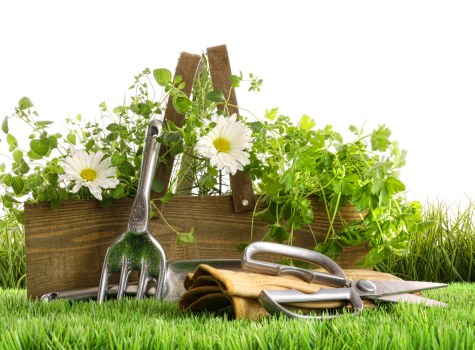
Tools and machinery must be checked before use and maintained in good working order. Faulty equipment should be removed from service immediately and reported so that repairs or replacement can be arranged. Power tools, cutting equipment, and lifting devices can all create risk if poorly handled or not inspected regularly. Safe operation includes following manufacturer instructions, using equipment only for its intended purpose, and never bypassing guards or safety features.
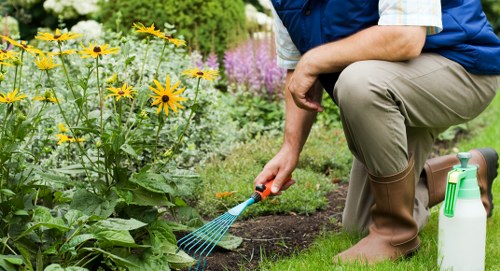 Manual handling is another important part of this policy. Garden work often requires lifting soil bags, pots, plants, waste, fencing materials, or heavy items of equipment. Staff should use correct lifting techniques, share loads when needed, and request assistance for awkward or heavy objects. Where possible, mechanical aids or transport trolleys should be used to reduce strain. A strong garden safety policy helps prevent back injuries, muscle strain, and fatigue-related incidents.
Weather conditions must always be considered. Wet surfaces, strong wind, ice, heat, and poor visibility can all affect the safety of outdoor work. Tasks should be adjusted, delayed, or paused when conditions become unsafe. Hydration, rest breaks, sun protection, and suitable clothing are essential during prolonged work outside. Good judgement is a key part of safe gardening practices, especially when conditions change during the day.
Plant material, soil, compost, and chemicals may also present risks. Staff should take care when handling thorny plants, sharp branches, poisonous species, or substances that may irritate the skin or eyes. Any fertilisers, weed treatments, or cleaning products must be stored, handled, and used in line with instructions. Where chemical products are part of the job, risk awareness and correct labelling are essential. Spills or exposure should be dealt with promptly and reported without delay.
Fire, trip, slip, and fall hazards should be controlled throughout the work area. Tools, hoses, cables, branches, and waste materials must not be left in walkways or work zones. Surfaces should be kept as clear as reasonably possible, and access routes should be maintained for workers and others nearby. A tidy site is not just more efficient; it is a major part of any gardening safety policy because it reduces preventable accidents.
Training and supervision are essential to this policy. Every worker should understand how to use equipment safely, recognise hazards, and report problems immediately. New staff or temporary workers should receive appropriate induction before starting tasks. Supervision must be proportionate to the level of risk, with extra oversight for more complex or potentially hazardous work. A well-managed gardeners' safety approach ensures that standards are followed consistently rather than left to chance.
Emergency readiness is equally important. First aid supplies should be available, and workers should know the correct procedure for responding to cuts, falls, eye injuries, heat stress, allergic reactions, or other incidents. If an accident occurs, work should stop where necessary, the area should be made safe, and the incident should be recorded and reviewed. Learning from events helps improve future practice and strengthens the overall garden health and safety policy.
 Environmental responsibility also forms part of safe working. Waste should be removed and disposed of correctly, with recyclable material separated where practical. Fuel, oils, batteries, and other hazardous items must be stored and handled carefully to prevent contamination. Gardeners should aim to protect lawns, borders, water sources, and surrounding features while carrying out work. Safety and environmental care can work together when tasks are planned properly.
All workers are expected to follow this policy at all times, cooperate with instructions, and speak up if a task feels unsafe. Employers and supervisors must provide suitable equipment, clear procedures, and a work environment that supports compliance. Health and safety is a shared responsibility, but leadership must set the standard and maintain it. A reliable garden maintenance safety policy helps create trust, reduces disruption, and supports high-quality results.
 This policy should be reviewed regularly to keep it effective and relevant to changing work practices, equipment, and seasonal conditions. Any updates should reflect current risks and the practical realities of outdoor work. By staying alert, prepared, and disciplined, gardeners in Bulls Cross can complete their work safely and professionally while protecting themselves, clients, and the public.