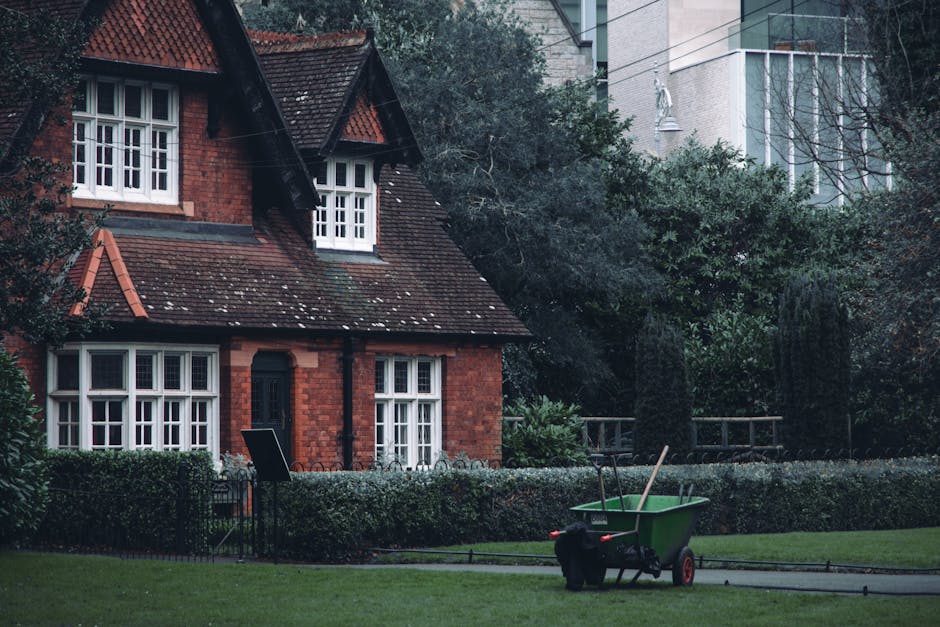
Bulls Cross garden maintenance guide for Trent Park homes
If you live near Trent Park, you already know the charm of the area is tied to its gardens as much as its houses. Mature trees, changing shade, pockets of wind, and the occasional patch of stubborn clay or dry turf all shape how a garden behaves here. This Bulls Cross garden maintenance guide for Trent Park homes is designed to help you keep outdoor space healthy, tidy, and genuinely usable through the year, without turning every weekend into a battle with weeds, moss, and overgrowth.
Whether you are looking after a compact family garden, a leafy rear plot, or a front space that needs regular presentation, the right routine makes a big difference. And to be fair, most gardens do not need heroic effort; they need steady, sensible attention. Below, you will find a clear maintenance approach, seasonal priorities, practical checklists, and a few local nuances that matter more than people expect.
If you also want broader support beyond routine upkeep, it can help to look at garden maintenance services and related options such as lawn care, lawn mowing, or hedge trimming in Bulls Cross when the garden starts asking for more than a quick tidy-up.
Table of Contents
- Why this guide matters for Trent Park homes
- How garden maintenance works in Bulls Cross and Trent Park
- Key benefits and practical advantages
- Who this is for and when it makes sense
- Step-by-step guidance
- Expert tips for better results
- Common mistakes to avoid
- Tools, resources and recommendations
- Law, compliance, standards and best practice
- Options, methods, and comparison table
- Case study or real-world example
- Practical checklist
- Conclusion
- Frequently asked questions
Why Bulls Cross garden maintenance guide for Trent Park homes Matters
Gardens around Trent Park tend to face a mixed bag of conditions. You may have sheltered corners that stay damp, open sections exposed to wind, and planting beds shaded by mature trees for part of the day. That mix is lovely, but it also means the garden will not look after itself in a uniform way. A lawn that is thriving in one corner can thin out in another. Hedges can grow quickly along boundaries while flower beds quietly fill with weeds.
This is why a proper maintenance plan matters. It is not only about appearance, although a neat, well-kept garden certainly lifts the whole property. It is also about keeping plants healthy, reducing repair work, and making the garden easier to enjoy. A space that is lightly maintained every week is far easier to manage than one left for a massive seasonal rescue. Anyone who has faced a waist-high tangle in June knows exactly what I mean.
For homes near Trent Park, maintenance also helps outdoor areas work better with the surroundings. Trees, birds, and wildlife are part of the appeal, but they bring leaf fall, shade, and occasional drainage issues. Regular pruning, sweeping, feeding, and edging keep those natural features from becoming daily problems. If your garden feels like it is always one step behind, the solution is usually structure, not effort for effort's sake.
Expert summary: In Trent Park-facing gardens, consistency beats intensity. Small, regular jobs protect plant health, keep boundaries tidy, and stop seasonal problems from snowballing.
How Bulls Cross garden maintenance guide for Trent Park homes Works
A good maintenance routine is built around observation, timing, and repeatable tasks. In practical terms, you look at what the garden needs right now, what it will need in the next few weeks, and what can wait. That sounds basic, but it is the difference between a garden that looks managed and one that always seems to be recovering from something.
For most homes, the system works in three layers:
- Weekly or fortnightly basics: mowing, edging, watering where needed, deadheading, sweeping paths, and spotting weeds before they root properly.
- Monthly care: hedge shaping, pruning light growth, feeding, checking drainage, refreshing mulch, and tidying beds or containers.
- Seasonal work: winter protection, spring recovery, summer watering plans, autumn leaf clearance, and more substantial cuts or renovations where appropriate.
In the real world, these layers overlap. For example, after a windy week, you may need to combine leaf clearing with fence checks and a quick look at climbing plants. After a hot spell, the lawn might need a gentler mow and a better watering rhythm. If you want guidance on hot-weather watering habits, the advice in these summer watering tips is a useful companion read.
The point is to work with the garden rather than forcing it. A Trent Park home with shade from mature trees will need different care from a sunnier plot with new planting. That is normal. In fact, it is a good sign. Gardens that suit their setting usually last longer and ask for less drama later.
Key Benefits and Practical Advantages
Routine garden maintenance delivers benefits that go beyond looking tidy on a Saturday morning. The best results are often the ones you notice gradually: greener grass, stronger hedges, fewer pests, less mud at the back door, and less time spent reacting to problems.
- Better curb appeal: tidy edging, healthy hedges, and weed-free paths make a property feel cared for.
- Healthier planting: regular pruning, watering, and feeding help plants grow in the right shape and at the right pace.
- Less costly repair work: catching problems early reduces the need for major clearance or replacement planting.
- Safer outdoor space: removing trip hazards, broken branches, and slippery algae lowers everyday risk.
- More usable garden rooms: patios, seating areas, and children's play areas are easier to enjoy when they are regularly maintained.
There is also a quiet mental benefit. A garden that feels under control tends to feel calmer. You open the door and breathe out a bit. Simple as that. If you want to go further and shape a more restorative outdoor space, some homeowners use ideas from creating perfect seating areas or even take a softer approach with zen garden inspirations.
Who This Is For and When It Makes Sense
This guide is for anyone in Bulls Cross or around Trent Park who wants a garden that works with daily life instead of creating another chore list. That includes homeowners, landlords, busy families, older residents who would rather avoid heavy lifting, and people who have inherited an overgrown plot and do not know where to start. Truth be told, that last one is more common than people admit.
It also makes sense if you are at one of these stages:
- New to the property: you want to understand what the garden needs before making changes.
- Returning after neglect: the lawn is patchy, the borders are messy, and the hedges have a mind of their own.
- Seasonal reset: spring and autumn are often the best times to get back in control.
- Preparing for sale or rental: first impressions matter, and the garden can quietly add value.
- Supporting family life or pets: safe, tidy, easy-care gardens are simply more practical.
For families, you may also want to look at creating a safe and fun garden for kids. For dog owners, dog-friendly garden tips are worth keeping in mind, especially when choosing groundcovers, paths, and planting edges.
Step-by-Step Guidance
Here is a practical maintenance approach you can use throughout the year. It is deliberately simple, because the best routines are the ones you can actually keep up.
1. Start with a full garden walk-through
Walk slowly around the space and note what is healthy, what is struggling, and what is simply in the wrong place. Look at lawns, beds, hedges, fences, patios, containers, and shaded corners. You are not judging the garden. You are reading it.
2. Clear obvious clutter first
Remove fallen branches, dead leaves, broken pots, weeds in paving, and any debris blocking access. This gives you a clean baseline. It also makes the rest of the work less annoying, which helps more than you might think.
3. Tackle the lawn properly
Mow to an appropriate height for the season, edge the borders, and check for bare patches, moss, or compacted soil. If the lawn is thin, do not scalp it in one go. That usually creates more stress. For recurring grass issues, these lawn maintenance tips can help you sort the basics without overcomplicating things.
4. Work through hedges and shrubs
Trim lightly where growth is straggly, remove dead wood, and keep the line neat. In many gardens, hedges shape the whole feel of the boundary, so a small amount of attention goes a long way. If you are dealing with taller or denser hedging, a specialist hedge trimming service in Bulls Cross is often the sensible route.
5. Refresh beds, borders, and mulch
Pull weeds, loosen compacted soil, and replace depleted mulch if needed. Mulch helps retain moisture and suppress weeds, which is especially helpful in partly shaded gardens where the soil can swing between wet and dry. If you are considering low-maintenance planting, ground cover plants for UK gardens can reduce bare soil and soften the look of borders.
6. Check water needs honestly
Different areas of the garden may need different watering rhythms. Containers dry faster than borders. New plants need more attention than established shrubs. And shaded soil can fool you; it may look damp on top while roots are getting thirsty. A quick finger test in the soil is still one of the simplest checks. Not glamorous, but it works.
7. Maintain hard surfaces and structures
Patios, paths, decking, fences, and pergolas all need inspection. Clear slippery growth, check loose fixings, and notice early wear. If surfaces are looking tired, services like patio cleaning or decking services may be useful. For older structures, it is worth checking boundaries too, which is where fencing support can come in.
8. End with a tidy finish
Rake, sweep, bag waste responsibly, and step back for a final look. A garden often looks better after the last 5% of care than after the heavy lifting. That final tidy is where the whole thing clicks into place.
Expert Tips for Better Results
In our experience, the biggest improvements come from small habits, not dramatic weekend overhauls. The gardens that stay manageable are usually the ones with a few steady rules.
- Trim before growth becomes woody: softer growth is easier to shape and less likely to leave bald gaps.
- Water early when possible: morning watering gives plants time to use moisture before the day warms up.
- Use plant choices to reduce future work: evergreen climbers, ground covers, and compact shrubs can save time later. For ideas, see evergreen climbers for shade and fast-growing hedges for seclusion.
- Keep a seasonal rhythm: spring is for recovery, summer for watering and control, autumn for clearing, winter for protection.
- Use containers where space is tight: if the garden layout is awkward, container gardening can add flexibility without a lot of structural change.
- Feed the soil, not just the plants: compost is one of the quiet heroes of good gardening. Kitchen-scrap composting can turn everyday waste into something genuinely useful.
One small but important point: do not prune everything just because it is there. A well-placed shrub or climber can soften a fence, reduce wind, and make the garden feel calmer. Over-trimming often creates a harsher look and more work next month. Seen it too many times.
If your plot gets battered by gusts in open sections near the park edge, it may help to think in layers. Wind-tolerant shrubs, solid boundaries, and strategic screening all support the planting. The guide on turning excessive wind into garden opportunities is a useful reference if that sounds familiar.
Common Mistakes to Avoid
Most garden problems do not start as disasters. They start as small delays, shortcuts, or misplaced optimism. That is the honest version.
- Waiting until everything is overgrown: once hedges, weeds, and lawn issues build up, the job becomes slower and costlier.
- Cutting too much at once: heavy pruning can shock plants and leave the garden bare.
- Ignoring drainage clues: puddles, moss, and patchy growth often point to a deeper soil or runoff issue.
- Using the same watering routine everywhere: sunny beds, shady borders, and containers all dry differently.
- Forgetting hard landscaping: a beautiful planting scheme will still feel off if the patio is slippery or the deck is neglected.
- Choosing high-maintenance plants by accident: lovely, yes. Practical, maybe not.
Another common slip is trying to "solve" a garden with one big purchase instead of steady maintenance. You can buy all the new plants you like, but if the soil is tired and the hedges are shaggy, the basic issues remain. The garden does not really care how much you spent. Bit cheeky of it, but there you are.
Tools, Resources and Recommendations
You do not need a shed full of expensive kit to maintain a garden well. A small, reliable set of tools usually beats a drawer full of awkward gadgets. That said, a few items do make life much easier.
| Tool or resource | What it helps with | Best use case |
|---|---|---|
| Good secateurs | Deadheading, light pruning, shaping | Regular plant care and border maintenance |
| Lawn mower | Grass height control | Weekly or fortnightly lawn upkeep |
| Stiff hand rake | Leaf clearing, debris removal | Autumn cleanup and bed prep |
| Garden fork | Loosening compacted soil | Improving borders and patch repair |
| Long-handled loppers | Thicker branches and awkward stems | Shaping shrubs and smaller woody growth |
| Compost bin or heap area | Organic waste recycling | Building healthier soil over time |
For guidance on what equipment is worth owning versus borrowing or hiring in, the article on essential gardening gear gives a practical starting point. And if you are planning a bigger refresh rather than routine upkeep, overgrown garden transformation advice can help you think through the first phase.
Some homes also benefit from a little more structure: raised planters, screening, or shaped beds can reduce maintenance in awkward areas. If that is on your mind, landscaping support can be a useful next step. For homes that need a broader service mix, general gardening services may cover the wider job more neatly.
Law, Compliance, Standards, or Best Practice
Garden maintenance is not heavily regulated in the way some trades are, but there are still sensible standards to follow. For a local homeowner, the most relevant issues are safety, neighbour consideration, waste handling, and responsible use of tools and chemicals.
Here are the main points worth keeping in mind:
- Respect boundaries and access: do not prune, climb, or remove anything that clearly belongs to a neighbouring property without permission.
- Dispose of waste responsibly: green waste, branches, and soil should be handled through proper household or service arrangements.
- Use tools safely: blades, ladders, and powered equipment should be handled with care, especially near children or pets.
- Check plants before cutting: some species respond badly to hard pruning outside the right season.
- Be cautious with pesticides and treatments: follow product instructions carefully and consider lower-impact approaches where possible.
If you are using a professional team, it is reasonable to ask about public liability cover, method statements, and how they manage safety on-site. Pages like insurance and safety and health and safety policy are exactly the sort of things a careful customer should check. For service terms and practical expectations, terms and conditions and payment and security matter too.
That may sound a bit formal for garden work, but it really is part of looking after a home properly. A tidy garden is nice; a tidy, safe, well-managed garden is better.
Options, Methods, or Comparison Table
Not every Trent Park garden needs the same level of intervention. Some just need light, ongoing care. Others need regular professional support. Here is a simple comparison to help you judge what fits your situation.
| Approach | Best for | Pros | Trade-offs |
|---|---|---|---|
| DIY regular upkeep | Smaller gardens, confident gardeners, routine tasks | Low cost, flexible timing, hands-on control | Time-consuming, easy to fall behind |
| Occasional professional visits | Busy households, seasonal resets, mixed skill levels | Useful for heavier tasks, better consistency | Needs scheduling, may still require light DIY |
| Full garden maintenance plan | Large or complex gardens, landlords, premium homes | Most reliable presentation, less stress, broader coverage | Higher ongoing cost, less direct control |
If you are mostly managing weeds, lawn height, and border tidying, a lighter approach may be enough. If hedges, trees, and hard landscaping are becoming more demanding, a more complete service makes sense. The same goes for homes where outdoor presentation affects tenants, guests, or resale value.
Case Study or Real-World Example
Imagine a typical family home near Trent Park with a lawn, a side return, two hedges, and a shady rear border. In early spring, the garden looks a little tired after winter: leaves tucked into corners, a few mossy patches, one hedge pushing well beyond its line, and a patio that has gone slightly slick.
The first visit focuses on clearing. The lawn is lightly mown, weeds are removed, the patio is washed down, and the hedge is trimmed back just enough to restore shape. Then the border gets fresh compost, with a few hardy plants added to reduce empty patches. By summer, the space feels entirely different. Not flashy. Just calm, neat, and usable.
That is usually how good garden maintenance works in practice. It rarely looks dramatic on day one. It just keeps getting easier to live with. By the end of the season, the garden is not asking for rescue. It is asking for a cup of tea and a seat in the sun, which is honestly the point.
If a garden like that is already sounding familiar, you may be ready to explore support from about the team or head straight to make an enquiry when you want a practical next step.
Practical Checklist
Use this quick checklist to keep your Bulls Cross and Trent Park garden under control across the year:
- Walk the garden weekly and note changes.
- Cut grass before it becomes too long.
- Edge paths and borders regularly.
- Remove weeds before they seed.
- Prune hedges and shrubs lightly, not brutally.
- Check drainage after heavy rain.
- Water containers and new planting consistently.
- Refresh mulch and compost when soil looks tired.
- Sweep patios, steps, and decking surfaces.
- Inspect fences, trellises, and boundary features.
- Clear leaves and debris in autumn.
- Protect tender plants in colder months.
- Review whether any task now needs specialist help.
Quick reminder: if a job keeps rolling over from month to month, it probably belongs on a proper maintenance schedule. That is not failure. That is just good planning.
Conclusion
A well-kept garden near Trent Park does not happen by accident. It comes from a routine that fits the property, the season, and the way you actually live. The best Bulls Cross gardens tend to be the ones with clear boundaries, healthy planting, tidy hard surfaces, and a maintenance rhythm that stops small issues from growing teeth.
Whether you are managing the space yourself or deciding when to bring in help, focus on the basics first: lawn care, hedge trimming, weed control, watering, and sensible seasonal work. Once those are in place, the rest becomes much easier. The garden starts to feel like part of the home again, not a separate project hanging over you.
If you want support with regular upkeep, specialist trimming, or a bigger reset, take a look at the available options and choose the level of help that keeps the garden looking good without eating your weekends.
Get a free quote today and see how much you can save.
And if you are just starting out, take it one corner at a time. Gardens rarely improve all at once, but they do improve. That is the encouraging bit.
Frequently Asked Questions
How often should a Trent Park garden be maintained?
Most gardens benefit from weekly or fortnightly light maintenance, with monthly or seasonal jobs added on top. Lawns, hedges, and borders usually need the most consistent attention.
What is included in basic garden maintenance?
Basic maintenance usually includes mowing, edging, weeding, hedge trimming, watering where needed, clearing leaves, and keeping patios or paths tidy. The exact mix depends on the size and condition of the garden.
Do shaded gardens near Trent Park need special care?
Yes. Shade can mean slower drying, moss growth, and different plant choices. Shaded areas often need lighter watering, better airflow, and more careful lawn management.
Is it better to DIY garden care or hire help?
That depends on time, confidence, and garden size. DIY works well for smaller, simple gardens. If hedges, trees, or overgrowth are becoming difficult, professional help can save time and reduce mistakes.
What is the best season to start garden maintenance?
Spring is usually the best time for a full reset, but autumn is also useful for clearing and preparing the garden for winter. In truth, the best time is whenever the garden starts slipping.
How do I keep my garden low maintenance?
Choose hardy plants, use ground cover, keep edges simple, reduce awkward corners, and maintain regularly so problems do not build up. A little planning at the start can save a lot of work later.
Can hedge trimming be part of a maintenance plan?
Absolutely. Hedges often shape the whole garden and need routine trimming to stay healthy and neat. If they are tall or dense, specialist hedge trimming is often the safer option.
What should I do with garden waste?
Green waste should be collected and disposed of responsibly, either through composting, local arrangements, or a professional service. Avoid letting cuttings sit around too long, as they can make the garden look untidy quickly.
How do I know if my lawn needs more than mowing?
If the lawn is patchy, mossy, compacted, or thinning in places, mowing alone will not solve it. In those cases, lawn care may need aeration, feeding, seeding, or weed control.
Are there safety concerns with outdoor maintenance?
Yes. Ladders, blades, power tools, slippery surfaces, and hidden debris all carry risk. It is sensible to follow safe working practices and check whether a contractor has clear safety procedures in place.
Where should I start if my garden is badly overgrown?
Start with clearing access paths, removing debris, and identifying the biggest problem areas. Then work through the lawn, hedges, and borders in order. If the job feels too large, a reset service can be the quickest way forward.
How can I get a quote for garden maintenance?
The easiest route is to contact the team directly and explain the size of the garden, the main issues, and how often you would like help. That gives you a clearer estimate and avoids guesswork.