Local gardeners insider tips for Myddelton House surrounds
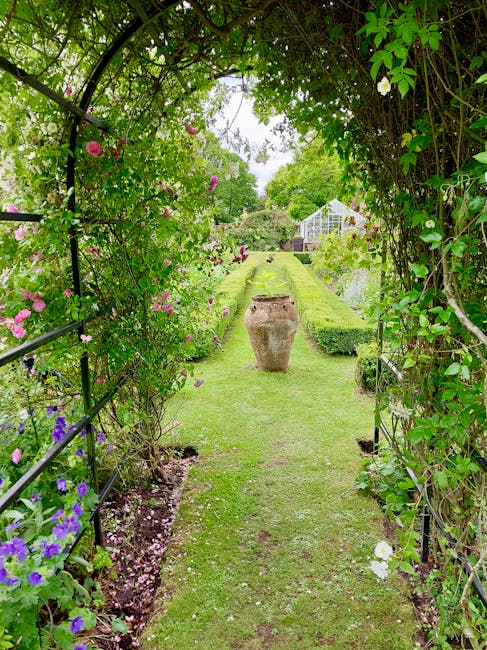
If you garden near Myddelton House, you already know the setting has its own rhythm: pockets of shade, stretches of exposed wind, and soil that can behave beautifully one week and stubbornly the next. That is exactly why Local gardeners insider tips for Myddelton House surrounds matter. The right approach is not about copying a generic garden plan from anywhere else in the UK. It is about working with the conditions you actually have, from heavy rainfall spells to dry summer corners and those awkward narrow strips that somehow collect weeds, not beauty.
In this guide, you will find grounded, practical advice for improving borders, lawns, hedges, seating areas, and small courtyard spaces around Myddelton House. We will look at what works, what usually goes wrong, and how local gardeners tend to solve problems before they turn into bigger jobs. A few tips are simple. A few are the kind you only learn after getting your hands properly dirty. Let's get into it.
Why Local gardeners insider tips for Myddelton House surrounds Matters
Gardens around Myddelton House sit in a part of north London where conditions can shift fast. You get a bit of shelter in one plot and a breeze that feels oddly determined in the next. Some gardens have clay-heavy soil that holds water for too long; others drain quickly and bake hard in a warm spell. That variation is why local knowledge counts.
In practice, a gardener who understands the area will notice things a generalist might miss. For example, some beds may look fine in April and then collapse into thin, thirsty-looking growth by late June. Or a hedge may seem healthy until a windy week starts tearing through the outer growth. Small local patterns matter. They affect planting choices, watering routines, hedge trimming, and even where you place a bench if you want to enjoy a quiet morning without being blasted by gusts.
There is also the time factor. When you work with local conditions, you waste less effort on plants that never had a chance. That means more reliable borders, fewer replacement costs, and less guesswork. To be fair, gardening is always a little bit of guesswork. But it should be informed guesswork, not hopeful chaos.
For readers comparing practical help, the broader gardening services and garden maintenance pages are useful starting points when you want the work handled properly and consistently.
How Local gardeners insider tips for Myddelton House surrounds Works
The idea is simple: observe the garden as it behaves in your microclimate, then choose maintenance and planting methods that suit it. In a real Myddelton House setting, that usually means thinking in layers.
1) Read the site before changing anything
Look at sun, shade, airflow, drainage, soil texture, and the places people actually use. A narrow side return may need vertical planting rather than thirsty shrubs. A front garden exposed to road dust and wind may need tougher structure and cleaner edges. Even the direction the bed faces can change what thrives.
2) Match the job to the season
Many garden problems are timing problems wearing a disguise. Lawns need different attention in spring than in late summer. Hedges respond best when trimmed at the right growth stage. Perennials establish better when planted into warm, workable soil rather than into a cold, waterlogged patch after a wet week.
3) Build maintenance into the design
The best gardens are not just pretty; they are manageable. That might mean using mulch to slow weeds, choosing ground cover to reduce bare soil, or designing a seating area that does not immediately become a leaf trap. If a planting scheme is lovely but impossible to maintain, it is not actually a good scheme. It is just expensive future work.
4) Use the right method for the right space
Small spaces often need compact planting, containers, climbers, or simple hard landscaping. Larger gardens may benefit from layered planting, hedge structure, and regular lawn care. If your plot is overgrown, it may need a reset before any new planting can succeed. In those cases, a controlled clearance and reshaping approach is usually better than trying to "tidy it up" one afternoon and hoping for the best.
Key Benefits and Practical Advantages
Using local gardener insight around Myddelton House brings very practical advantages. Some are obvious, some you only appreciate after the first proper season of maintenance.
- Better plant survival: species are chosen for actual conditions, not catalogue perfection.
- Lower maintenance stress: beds, lawns, and hedges are easier to keep under control.
- More usable outdoor space: paths, seating, and borders are planned with real movement in mind.
- Improved weather resilience: windy spots, hot walls, and frost-prone corners are handled more intelligently.
- Cleaner seasonal transitions: spring tidy-ups, summer watering, and winter protection are done with a purpose.
There is a very ordinary kind of relief in this. You step outside after work, see that the lawn looks cared for, the hedge is neat, and the border has not turned into a jungle. It changes how you feel about the whole home. Quietly. But noticeably.
If privacy is part of your brief, the right planting and trimming plan can help. You may want to read about fast-growing hedges for natural screening or this piece on evergreen climbers for shade when dull corners need a lift.
Who This Is For and When It Makes Sense
This approach makes sense for a wide mix of homeowners and property managers. You do not need a grand country garden to benefit from it. In fact, the tighter the space, the more useful it becomes.
- New homeowners who have inherited a garden and do not yet understand its habits.
- Busy families who need a low-fuss layout that still looks cared for.
- Older properties with mature hedges, heavy borders, or tired lawns.
- Rentals and managed homes where the outdoor space has to stay neat without constant intervention.
- Anyone with a tricky plot - wind, shade, narrow access, awkward corners, or patchy soil.
It also makes sense when the garden has simply got away from you. Happens more than people admit. One rainy season, a busy summer, a few missed cuts, and suddenly the whole thing feels like too much. That is where a proper reset, followed by regular upkeep, can make the whole job feel possible again.
For compact plots, you may find this useful: container gardening for smaller spaces and vertical gardening ideas are both clever ways to squeeze more life from less ground.
Step-by-Step Guidance
Here is a simple process local gardeners often follow. It is not glamorous, but it works.
- Start with a full walk-through. Look at the garden in the morning and again later in the day. Note where water sits, where the sun falls, and where leaves collect.
- Clear the obvious problems first. Remove dead growth, rubbish, tangled weeds, broken pots, and anything that hides the real structure of the space.
- Test the basics. Check soil moisture, look at compaction, and see whether the lawn is thin, mossy, or uneven. You do not need to overcomplicate it.
- Decide what stays. Mature shrubs, usable trees, and well-established plants may be worth keeping, even if they need reshaping.
- Shape the structure. Define edges, trim hedges, clean paths, and create clear lines so the garden feels intentional again.
- Choose plants for the site. Shade-tolerant plants for darker areas, tough ground cover for awkward slopes, and herbs or containers where soil quality is poor.
- Install a maintenance routine. Weekly checks, seasonal cuts, and monthly tidy-ups keep the place from drifting back into chaos.
One small but important note: do not plant everything at once if the garden is still unstable. It is tempting. You see a blank patch and think, "Right, let's fill it." But a staged approach usually leads to better results and fewer regrets.
For uneven lawns and persistent weeds, this guide on tackling weeds and keeping a healthy lawn fits neatly with this step-by-step approach.
Expert Tips for Better Results
These are the sorts of details local gardeners rely on because they save time and avoid mistakes.
Work with wind, not against it
Wind is not just a nuisance; it shapes what grows well. In exposed corners, choose tougher shrubs, flexible stems, and hedge forms that can tolerate repeated movement. If a bed is constantly battered, a sheltered seating space or screen may make all the difference. There is a good reason many people look at ways to turn windy areas into usable garden space.
Use mulch like a habit, not a luxury
A decent mulch layer helps hold moisture, suppress weeds, and protect soil biology. It also makes a border look more finished, which never hurts. In dry spells, you will notice the difference faster than you expect.
Pick low-drama plants where you can
Not every corner needs a diva plant. Some places are better served by easy-care, resilient varieties that still look good after a bit of neglect. If your schedule is already packed, simple low-maintenance garden ideas can be a lifesaver.
Trim for shape, not just size
A hedge can be technically short and still look messy. Good trimming creates line, rhythm, and proportion. If you want to understand what that looks like in practice, have a look at hedge trimming shapes and techniques.
Keep one eye on next season
Myddelton House surrounds can move from lush to stressed quickly depending on weather. That means the smart gardener plans ahead: water before stress shows, protect tender planting before frost arrives, and prep the lawn before the weather turns. It is quieter work, but it pays off.
Common Mistakes to Avoid
Most garden disappointments come from a handful of predictable mistakes. Luckily, they are avoidable.
- Choosing plants for looks only. Pretty and practical should go together.
- Ignoring drainage. If water sits too long, roots suffer and weeds often move in.
- Over-trimming hedges. Heavy cutting at the wrong time can leave gaps that take ages to recover.
- Underwatering new plants. Newly planted material needs steady support, especially in warm weather. For that, see summer watering tips for gardens.
- Trying to rescue everything at once. A full transformation is often better done in phases.
- Forgetting access. If tools, bins, and mower routes are awkward, the maintenance burden rises fast.
Another common one: people buy plants, then discover the garden has more shade than they expected. Happens all the time. If that sounds familiar, build around shade-tolerant planting and consider vertical or climbing structure instead of forcing sun-loving species into a bad spot.
And yes, weeds will always try to outwit you. It is a bit rude, really.
Tools, Resources and Recommendations
You do not need a van full of equipment to keep a garden looking sharp, but a few tools make life much easier.
- Sharp secateurs for clean cuts on small stems and deadheading.
- Long-handled shears for tidy hedge lines and soft shaping.
- Border spade and fork for lifting, dividing, and improving soil structure.
- Leaf rake and stiff broom for seasonal clean-ups and paths.
- Watering can or hose with control for targeted watering rather than wasteful soaking.
- Mulch, compost, and soil improver for healthier beds over time.
For gardeners interested in making waste useful again, kitchen scraps to garden compost is a practical read. It is one of those small habits that quietly improves everything.
If you are starting from scratch or feel a bit overwhelmed, essential tips for new gardeners offers a sensible foundation, and must-have gardening gear helps you avoid buying the wrong kit.
For readers who want professional help with the heavier jobs, relevant pages include lawn care, lawn mowing, hedge trimming, patio cleaning, and tree surgery.
Law, Compliance, Standards, or Best Practice
For most domestic gardens, the main point is not bureaucracy; it is safety, respect for neighbours, and sensible work practices. If a garden includes trees, hedges near boundaries, or shared access, it is worth checking responsibilities carefully before major work begins. That is especially true where overhanging branches, boundary fences, or shared drives are involved.
Good practice also means using safe equipment, keeping pathways clear, and taking extra care when working at height or with heavy tools. If a task feels beyond routine maintenance, it is better handled by trained people with the right insurance and procedures. That is not overcautious; it is just sensible.
For service work, it helps to review a company's insurance and safety, health and safety policy, and terms and conditions. If you are comparing providers, looking at pricing and quotes and payment and security can also help you avoid surprise friction later on.
And if you simply want to understand the business a little better before booking, the about us page is usually a sensible place to start.
Options, Methods, or Comparison Table
Different gardens around Myddelton House need different solutions. Here is a simple comparison that helps you choose the right approach without overthinking it.
| Method | Best for | Strengths | Limitations |
|---|---|---|---|
| Regular maintenance | Established gardens that already have structure | Keeps lawns, hedges, and borders under control with minimal disruption | Does not solve deep-rooted layout problems on its own |
| Garden reset and transformation | Overgrown, neglected, or badly arranged spaces | Creates a clean starting point and reveals the real potential | Needs more initial time and effort |
| Container and vertical gardening | Small patios, narrow courtyards, shaded corners | Flexible, tidy, and great for limited space | Needs more watering and feeding in warm weather |
| Hedge and screen planting | Gardens needing privacy or wind buffering | Adds structure, shelter, and a softer boundary | Takes time to establish and needs trimming |
If you are wondering which route suits your plot, the answer is often a mix. A reset for the worst areas, maintenance for the rest, and maybe a few clever planting tricks where space is tight. Simple, really. Not always easy, but simple.
Case Study or Real-World Example
A typical local job might begin with a back garden that has become half lawn, half thicket. The owner wants it neat enough for family use, but not stripped bare. There is some shade from nearby trees, a windy corner by the fence, and a border that has become more weed than plant.
The first step is clearing the dead material and reducing the overgrowth without overdoing the cutting. Then the lawn is edged, the hedge is lifted and shaped, and the worst weeds are removed before they seed again. A shaded side area might get hardy ground cover or a few pots, while the windier boundary is softened with a tougher screen planting or a better-timed hedge plan. The seating area is left clear and practical, not hidden behind fuss.
What changes most is not just the look. It is the feel. The garden becomes walkable again. Easy to mow. Easy to enjoy. You can hear birds instead of battling brambles. That sounds a bit poetic, maybe, but it is exactly how these jobs often feel once the clutter has gone.
For this kind of project, a sensible next step is often a broader transformation plan, supported by overgrown garden transformation tips and, if you want the space to feel more welcoming, guidance on creating better seating areas.
Practical Checklist
Use this checklist before you start or before you book anyone in. It saves awkward surprises.
- Check where the sun falls at different times of day.
- Identify wet spots, dry spots, and areas that are always windy.
- Decide which plants are worth keeping.
- Remove dead growth, rubbish, and obvious weed pressure.
- Trim hedges only as far as the plant structure can comfortably handle.
- Set up mulch or compost to improve soil and reduce maintenance.
- Make sure paths, gates, and access routes are usable.
- Choose plants that suit your actual light and soil conditions.
- Plan watering for new planting, especially in dry or warm spells.
- Review safety, insurance, and clear pricing before any larger job.
If you have children or pets, add a few more checks. Keep tools stored safely, avoid toxic planting near play areas, and think about sightlines from the house. A safe garden is a more usable garden. That part is not glamorous, but it matters.
Get a free quote today and see how much you can save.
Conclusion
The best local gardening advice around Myddelton House is never just about looks. It is about understanding your garden as a living, changing space and making decisions that fit the site, the season, and the life you actually live. When you do that, everything gets easier: maintenance, planting, mowing, trimming, and even just stepping outside without feeling slightly defeated.
Whether you are dealing with a tired lawn, a hedge that has grown a bit too enthusiastic, or a small patio that needs more charm, the right local approach can make a big difference. Start with the site. Respect the conditions. Then build slowly and sensibly. It is amazing how quickly a garden begins to cooperate when you stop asking it to be something it is not.
And honestly, that is usually the secret. Not perfection. Just a garden that fits.
Frequently Asked Questions
What makes local gardener advice different around Myddelton House?
Local advice is shaped by the real conditions in the area: wind exposure, shade patterns, soil behaviour, and how gardens change through the seasons. That makes the guidance more practical than generic gardening tips.
When is the best time to start improving a neglected garden?
Many gardens are easiest to assess in spring or early autumn, but a basic tidy-up can begin at any time. The main thing is to start with observation and clearance before planting or redesigning.
How do I know if my soil needs improving?
If water sits on the surface, plants struggle even after watering, or the soil feels heavy and compacted, it probably needs work. Compost, mulch, and careful digging can help, but the right fix depends on the actual condition.
Should I replace an overgrown hedge or trim it back?
It depends on the plant type, health, and structure. Some hedges respond well to reduction, while others need a lighter approach to avoid bare patches. If in doubt, a measured trim is safer than a drastic cut.
What are the easiest plants for a low-maintenance garden?
Low-maintenance planting usually means resilient shrubs, ground cover, and well-chosen perennials that suit the light and soil. The easiest plant is always the one that matches your site properly.
How often should a garden near Myddelton House be maintained?
That varies with garden size and planting style, but most gardens benefit from regular attention rather than occasional big rescues. Weekly checks and seasonal work tend to keep problems smaller.
Is container gardening a good idea for small gardens?
Yes, very often. Containers give you flexibility, help with awkward soil, and let you create structure in narrow spaces. They do need more watering and feeding, though, especially in summer.
What should I do about strong wind in my garden?
Use tougher planting, create shelter with hedging or screens, and avoid fragile species in exposed spots. Wind can be managed, but it is better to work with it than keep fighting it.
How can I make my garden safer for children?
Keep tools and chemicals secure, choose non-hazardous planting near play areas, and make sure surfaces, edges, and access paths are sensible. A tidy layout also helps a lot more than people think.
What should I ask before hiring a gardener?
Ask about experience, insurance, safety practices, pricing, and what is included in the job. It is also wise to check how they handle waste, access, and follow-up maintenance.
Are there good options for privacy without building a fence?
Yes. Hedge planting, evergreen climbers, and layered borders can create privacy in a softer way. It may take longer than a solid barrier, but the result often feels more natural.
Where should I begin if the garden is completely overgrown?
Start by clearing access, removing the worst clutter, and identifying what is actually worth keeping. Then move to structure: hedges, lawn, boundaries, and planting zones. Trying to do everything in one go usually leads to frustration.
How do I get in touch for help with a local garden project?
If you want to discuss a garden job, compare options, or ask for a quote, use the contact page at contact. A quick conversation often saves a lot of guesswork later.